
The easiest way to make an AI content system fragile is to let the agent runtime become the website. It feels fast at first, but pretty quickly you lose control over content structure, publishing rules, and the simple operational boundaries that make a client site easy to trust.
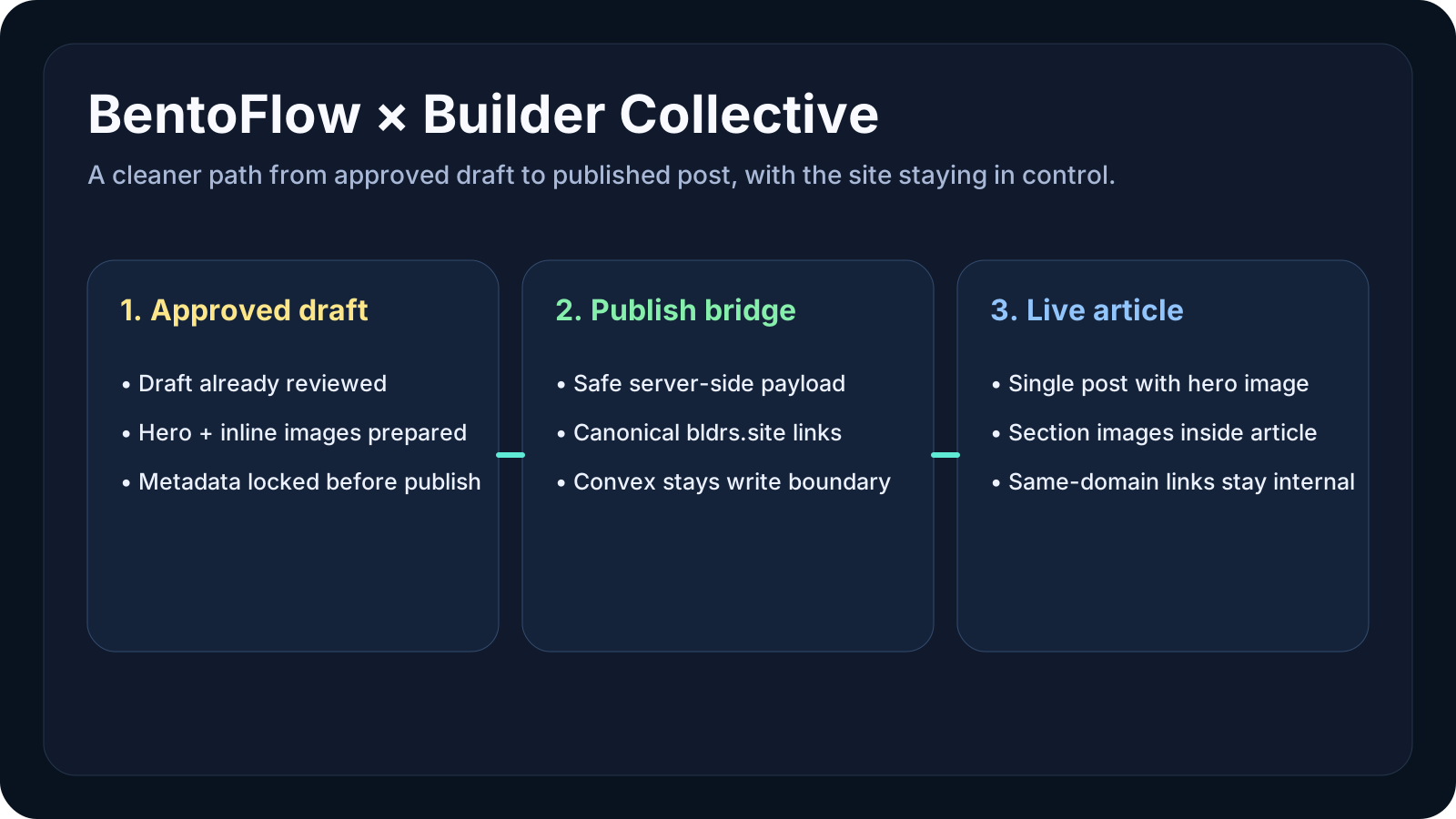
A better pattern is to keep the workflow app and the public site separate. BentoFlow can manage draft creation, approvals, and publish intent. Builder Collective can stay responsible for the public content model, rendering, and domain-level behavior. The bridge between them should be narrow, boring, and easy to reason about.
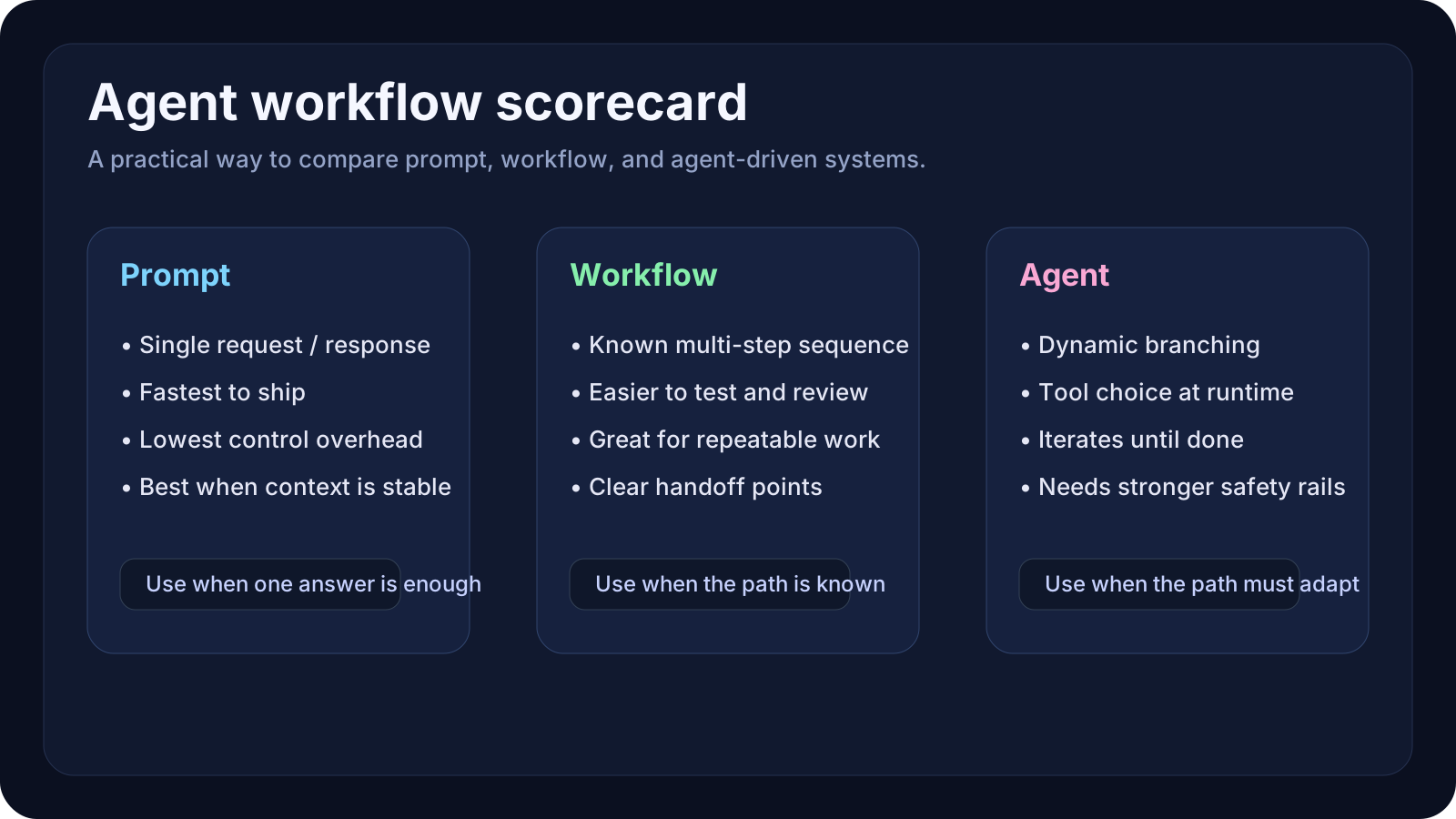
That separation sounds less exciting than a fully autonomous pipeline, but in practice it is what keeps content operations stable. If you want the broader framing, start with What an AI Agent Actually Is and When You Really Need One.
The public site has a different job from the workflow system. It has to render pages reliably, preserve URLs, support internal linking, and keep the content shape consistent over time. Those are not side concerns. They are the product surface the reader actually experiences.
Once you let the runtime that generates or reviews content also dictate storage and rendering, you create hidden coupling. A small workflow change can become a publishing bug. A transport change can become a broken link. A client-facing website needs a calmer contract than that.
- Workflow app = draft orchestration and approval state.
- Public site = content schema, rendering, and canonical URLs.
- Agent runtime = replaceable worker, not the source of truth.
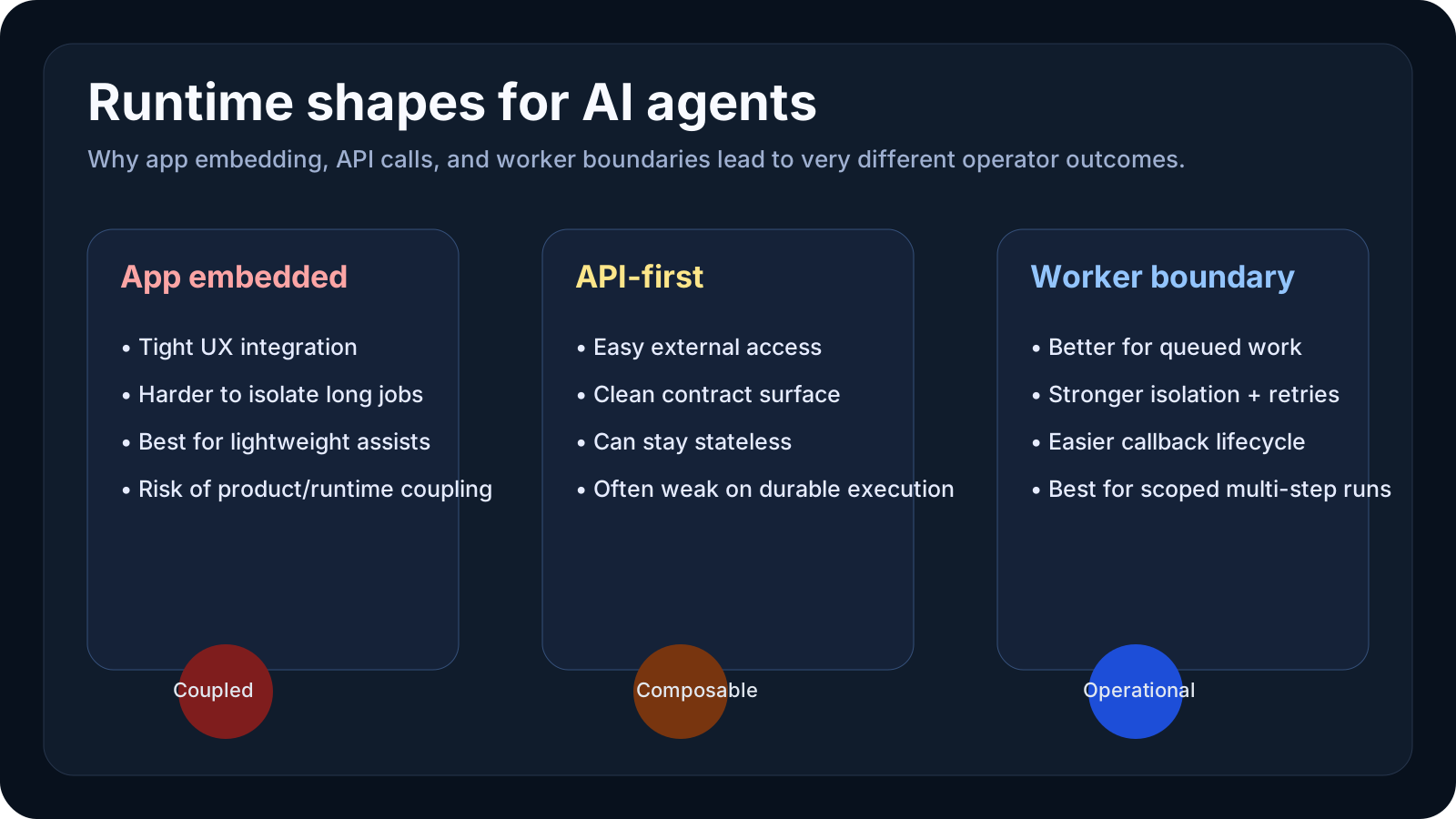
A good publish bridge accepts a small, validated payload and writes through a trusted content API. That means the site can reject malformed records, preserve its own schema, and evolve internally without forcing every upstream workflow to change at the same time.
This is also where image attachments matter. Hero images and in-post section images should arrive as explicit content attachments, not as random markup fragments hidden in a text blob. Once they are first-class fields, the site can render them consistently and operators can review them before anything goes live.
In our case, BentoFlow can prepare the content and Builder Collective can publish it through a narrow integration route. That gives us a safe place to normalize internal links, attach a hero image, place inline article images, and keep the rendered post aligned with the site design instead of a generic markdown dump.
The payoff is operational more than magical. The system is easier to test, easier to migrate, and easier to explain to a client. That is usually the difference between a demo that looks clever and a workflow that can keep shipping every week.
If you want an AI-assisted publishing system to hold up over time, keep the site as the system of record, keep the agent runtime behind a worker boundary, and let the publish bridge move explicit content attachments instead of ambiguous blobs.